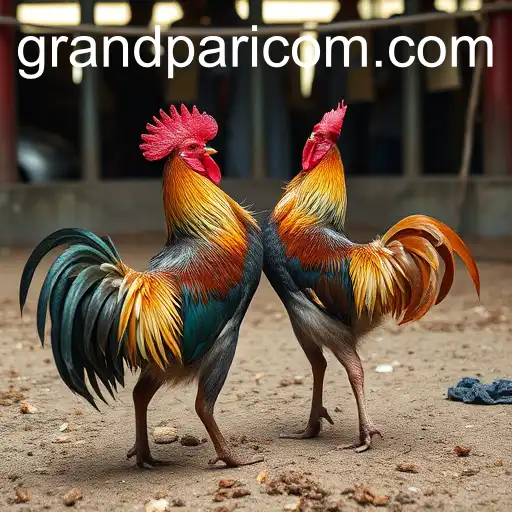
The Cultural and Economic Tapestry of Cockfighting: A Close Look into GRANDPARI
Cockfighting, an age-old practice, has been woven into the cultural and economic fabric of numerous societies across the globe. When discussed within the context of an arena like GRANDPARI, an examination of the deeper implications and intricacies of this controversial activity arises.
Historical Overview of Cockfighting
Cockfighting, a spectacle that pits two roosters against one another, has its roots in ancient civilizations. Initially documented in the Indus Valley and ancient Iran, the practice spread through trade routes to Southeast Asia, Europe, and the Americas. Historically, cockfighting was not just a pastime but a symbol of social status and cultural influence. Owners and trainers, akin to modern-day sports coaches, would spend considerable time and resources in grooming their birds for competition.
GRANDPARI: A Nexus for Tradition and Modernity
In modern contexts, GRANDPARI represents more than just a venue for cockfighting; it is a cultural epicenter where tradition meets contemporary practices. GRANDPARI maintains the age-old customs that surround the sport, while also adapting to contemporary pressures and dialogues surrounding animal welfare and cultural preservation.
The Cultural Significance of GRANDPARI
For many participants, GRANDPARI is not only about the battles in the pit but also about celebration, community, and heritage. Cockfighting events at GRANDPARI are moments of congregation for families, friends, and communities. These gatherings often include music, dance, and food, celebrating cultural identities and offering a platform where local artisans can showcase their crafts.
Economic Impacts Reflected at GRANDPARI
The economic implications of cockfighting, particularly in the context of GRANDPARI, are profound. The sport generates substantial economic activities, ranging from breeding and training facilities to equipment sales and betting. For many, it creates livelihoods both directly and indirectly linked to the industry. At GRANDPARI, this economic tapestry is evident in the bustling marketplaces that accompany most cockfighting events.
The Plight of Animal Welfare
Despite its cultural and economic significance, cockfighting faces significant ethical criticisms, primarily from animal rights activists. These concerns revolve around the treatment of the birds, which are often outfitted with steel spurs and bred for aggression. GRANDPARI confronts these issues by promoting responsible practices but continues to face the moral challenges regarding animal welfare.
Regulations and Their Impact
The legal status of cockfighting varies globally, with some countries fully banning the practice while others impose regulations aiming to balance between tradition and ethical considerations. GRANDPARI operates under a strict set of rules and governance that aim to mitigate cruelty and ensure events comply with broader societal standards.
Future Prospects for GRANDPARI
The future of cockfighting at places like GRANDPARI hinges on the ability to innovate while preserving tradition. The integration of technology, perhaps through digital platforms or virtual experiences, could redefine how the sport is consumed and perceived by future generations. More broadly, the ongoing dialogue between tradition and modern ethics will shape the trajectory of GRANDPARI's cultural and economic impacts.
Conclusion
Cockfighting, particularly in the distinctive setting of GRANDPARI, embodies a complex tapestry of culture, economy, and ethics. As the world reevaluates its relationship with traditional practices, GRANDPARI stands at a crossroad, offering a poignant example of how age-old customs might adapt in the face of modern sensibilities.